



Starting a poultry farm can be a rewarding venture, especially on a small scale. Whether you’re aiming to produce eggs, meat, or both, poultry farming offers a steady income and supports local food supply. This guide will walk you through the essential steps to set up and manage a successful small-scale poultry farm.
1. Choose Your Poultry Type
Start by deciding the focus of your farm. The most common types are:
- Broilers – raised for meat production.
- Layers – raised for egg production.
- Dual-purpose breeds – good for both meat and eggs.
Research the market demand in your area before choosing your breed.
2. Select the Right Breed
Choose a breed based on your farm’s goal, climate, and local conditions.
- For broilers: Cornish Cross, Hubbard, or Cobb 500
- For layers: ISA Brown, Leghorn, Rhode Island Red
Also, consider disease resistance, feed conversion ratio, and growth rate.
3. Set Up the Poultry Housing
Good housing ensures the health and productivity of your flock. Make sure your poultry shed is:
- Well-ventilated and protected from predators
- Equipped with proper lighting and temperature control
- Easy to clean and disinfect
- Sized appropriately to avoid overcrowding (about 2 sq. ft. per bird for broilers)
Use litter material like rice husk or sawdust on the floor to keep it dry and clean.
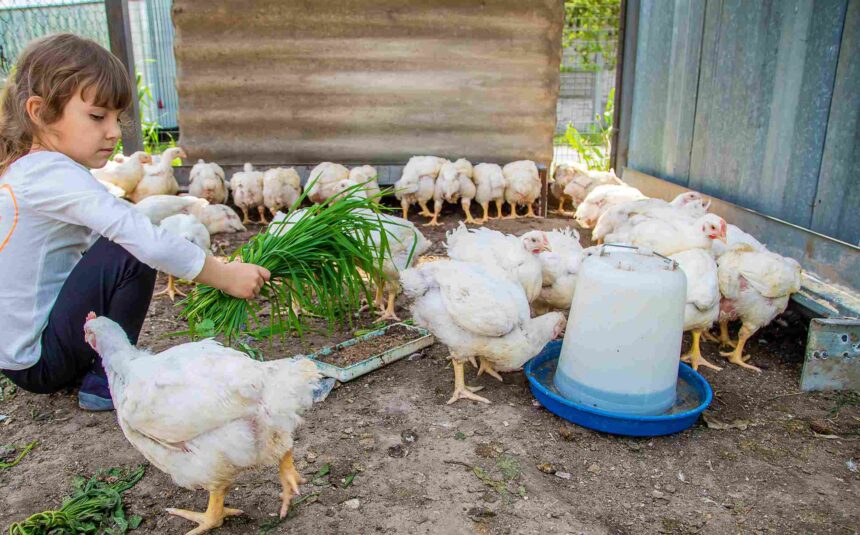
4. Prepare Feeding and Watering Systems
Provide high-quality feed suitable for your poultry type:
- Starter feed for chicks
- Grower feed for young birds
- Layer feed or finisher feed depending on the purpose
Always provide access to clean, fresh water to avoid dehydration and disease.
5. Focus on Health and Vaccination
Maintain a routine vaccination and deworming schedule to prevent common poultry diseases such as:
- Newcastle Disease
- Infectious Bursal Disease
- Fowl Pox
- Coccidiosis
Keep your poultry area clean and monitor the birds regularly for signs of illness.
6. Manage Waste and Odor
Proper waste management is crucial for hygiene and environmental safety. Use poultry droppings as organic fertilizer or compost, and ensure regular cleaning of the poultry area to reduce odor and fly infestation.
7. Understand the Market
Before you begin selling, understand your local market dynamics:
- Who are your potential buyers (local shops, individuals, hotels)?
- What is the market price for eggs and chicken?
- Can you create long-term supply contracts?
Building relationships early can help you secure steady sales.
8. Start Small and Scale Gradually
Begin with a manageable number of birds—100 to 500 is a good range for beginners. Gain experience, monitor performance, and expand your flock as your skills and market grow.
Final Thoughts
Starting a small-scale poultry farm requires dedication, knowledge, and care. By choosing the right breeds, maintaining good hygiene, and focusing on health and feeding, you can build a profitable poultry business that serves your community and generates consistent income.
For more expert advice or poultry farming solutions, feel free to contact Animal Republic Press—your reliable source for animal agriculture insights and services.