

Maintaining good water quality is essential for healthy and productive fish farming. Poor water conditions can lead to disease, slow growth, low oxygen levels, and even mass fish mortality. Whether you’re managing a commercial fish farm or a small backyard pond, understanding water quality is key to success.
In this blog post, we’ll cover the core aspects of water quality and practical steps to maintain a healthy aquatic environment.
Why Water Quality Matters
Water in a fish pond is more than just a habitat—it’s the life support system for your fish. Poor water quality can:
- Stress or kill fish
- Increase disease outbreaks
- Reduce feed efficiency and growth
- Affect breeding and spawning
Key Water Quality Parameters
To maintain healthy water, keep an eye on these critical parameters:
1. Dissolved Oxygen (DO)
- Ideal range: 5–8 mg/L
- Low DO signs: Gasping at the surface, sluggish fish
- Tips: Use aerators or paddle wheels; avoid overfeeding
2. pH Level
- Ideal range: 6.5–8.5
- Too low or high: Can cause stress and kill fish
- Tips: Use agricultural lime to raise low pH; monitor pH daily, especially in early morning and afternoon
3. Ammonia (NH₃)
- Should be: As close to 0 as possible
- Toxic levels: >0.02 mg/L
- Sources: Fish waste, uneaten feed
- Tips: Avoid overfeeding; maintain a good population of aquatic plants or biofilters
4. Temperature
- Depends on species (e.g., tilapia: 25–30°C; trout: 10–18°C)
- Tips: Avoid sudden temperature changes; provide shade or shallow/deep areas
5. Turbidity
- Ideal: Water should be slightly greenish or light brown (not too muddy or too clear)
- Tips: Control runoff; plant grass around pond edges to prevent erosion
Practical Tips to Maintain Water Quality
1. Avoid Overfeeding
Feed only what the fish can eat in 5–10 minutes. Uneaten feed decays and pollutes the water.
2. Aeration
Use aerators or fountains to increase oxygen levels, especially at night or during hot weather.
3. Regular Water Testing
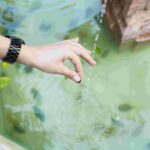
Use affordable test kits to monitor DO, pH, ammonia, and nitrate levels weekly.
4. Proper Stocking Density
Do not overcrowd the pond. Follow species-specific stocking guidelines.
5. Remove Organic Waste
Clear excess algae, dead plants, and fish waste using nets or biological treatments.
6. Partial Water Exchange
Change 10–20% of the pond water periodically, especially during high temperatures or after heavy rains.
7. Control Aquatic Weeds & Algae
Too much algae can cause oxygen crashes at night. Use safe biological or chemical methods to control growth.
Bonus: Use Natural Water Purifiers
- Aquatic plants like duckweed and water hyacinth can absorb excess nutrients.
- Snails and filter feeders can help control waste.
- Biofilters and beneficial bacteria break down harmful compounds like ammonia and nitrites.
Final Thoughts
Water quality management is not a one-time task—it’s a daily responsibility. A healthy pond means healthy fish, higher survival rates, better growth, and ultimately, better profits. Regular monitoring, proper feeding, and good aeration can go a long way in ensuring a thriving aquaculture system.
Healthy water = Healthy fish = Happy farmer!