
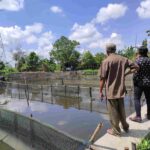

Fish farming, also known as aquaculture, is one of the fastest-growing sectors in agriculture. It offers a great opportunity for income generation and sustainable food production. Whether you’re a complete beginner or exploring new farming options, this guide will walk you through the essential steps to start your own small-scale fish farm.
1. Understand the Basics of Fish Farming
Fish farming involves raising fish in controlled environments like tanks, ponds, or cages. It can be done for various purposes:
- Commercial farming for meat production
- Ornamental fish breeding
- Integrated farming with crops or livestock
Start by defining your goals and scale of operation.
2. Choose the Right Fish Species
Select fish that are suitable for your local climate, water conditions, and market demand. Popular species for beginners include:
- Tilapia – Fast-growing, hardy, and easy to farm
- Catfish – Popular for meat production
- Carp – Common in freshwater farming
- Trout – Suitable for cooler climates
Research market preferences before finalizing your choice.
3. Select a Suitable Site
Location plays a critical role in fish farming success. When selecting a site, consider:
- Availability of clean water (borehole, river, or well)
- Adequate space for ponds or tanks
- Soil type (for earthen ponds, clayey soil is preferred)
- Accessibility for transportation and market reach
4. Decide on the Farming System
Choose a farming method that suits your space, resources, and budget:
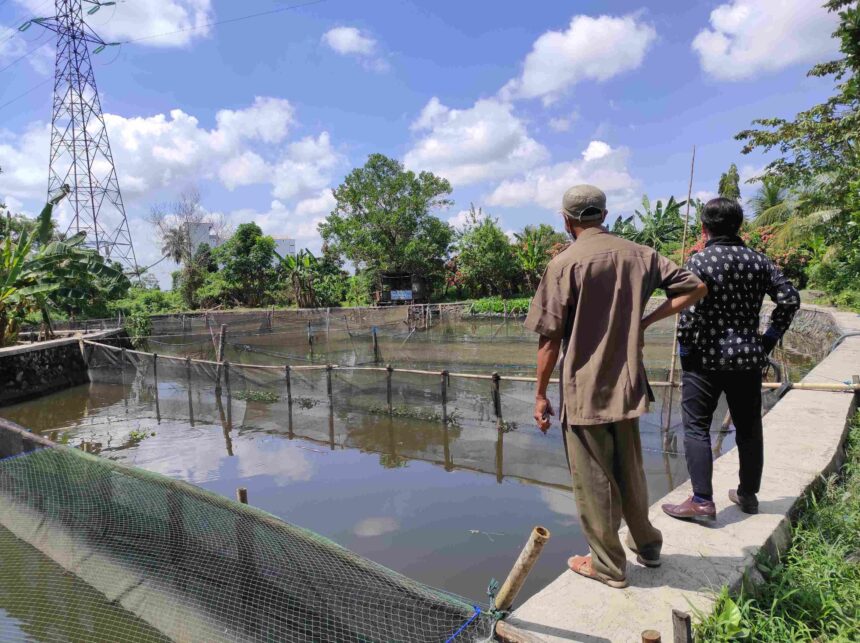
- Pond culture – Natural or man-made ponds
- Tank culture – Cement or plastic tanks; easier to manage
- Cage culture – Nets or cages placed in natural water bodies
- Recirculating Aquaculture System (RAS) – Advanced system using water recycling and filtration
For beginners, earthen ponds or tanks are usually the best options.
5. Prepare the Pond or Tank
Before introducing fish:
- Clean and disinfect the pond or tank
- Install proper inlet and outlet systems for water flow
- Apply lime to adjust pH (if needed)
- Fertilize with organic matter to encourage plankton growth (natural food source)
6. Stock Your Fish
Purchase fingerlings or juveniles from a reputable hatchery. Stocking density depends on the size of your pond and fish species, but overcrowding should be avoided to prevent stress and disease.
Acclimatize the fish before releasing them into the pond to reduce shock.
7. Feed and Monitor Regularly
Provide high-quality feed formulated for your chosen fish species. Feed at consistent times, and avoid overfeeding to maintain water quality.
Regularly monitor:
- Fish growth and behavior
- Water temperature, pH, and oxygen levels
- Signs of disease or stress
8. Maintain Good Water Quality
Clean water is essential for healthy fish and good yields. Ensure proper aeration and regular partial water changes if necessary.
Avoid contamination from chemicals, waste, or runoff from nearby land.
9. Harvesting and Marketing
Most fish reach market size in 4–8 months, depending on species and feeding practices. Harvest using nets or draining methods. Sort, clean, and transport the fish properly to retain freshness.
Explore local markets, restaurants, or direct-to-consumer sales.
Final Thoughts
Fish farming can be a profitable and sustainable business when managed properly. By starting small, choosing the right species, and maintaining good practices, you can establish a successful aquaculture operation.
Need help getting started or improving your existing setup? Contact Animal Republic Press for expert support, fish farming supplies, and personalized guidance.